General Dermatology
Seborrheic Keratosis Evaluation and Removal
Seborrheic keratoses are common, benign skin growths that often appear with age. While they're harmless, many people find them cosmetically bothersome — especially when they catch on clothing, become irritated, or appear in highly visible areas. Dr. Sergay offers safe, effective removal options to restore smooth, clear skin with minimal scarring.
Book an Appointment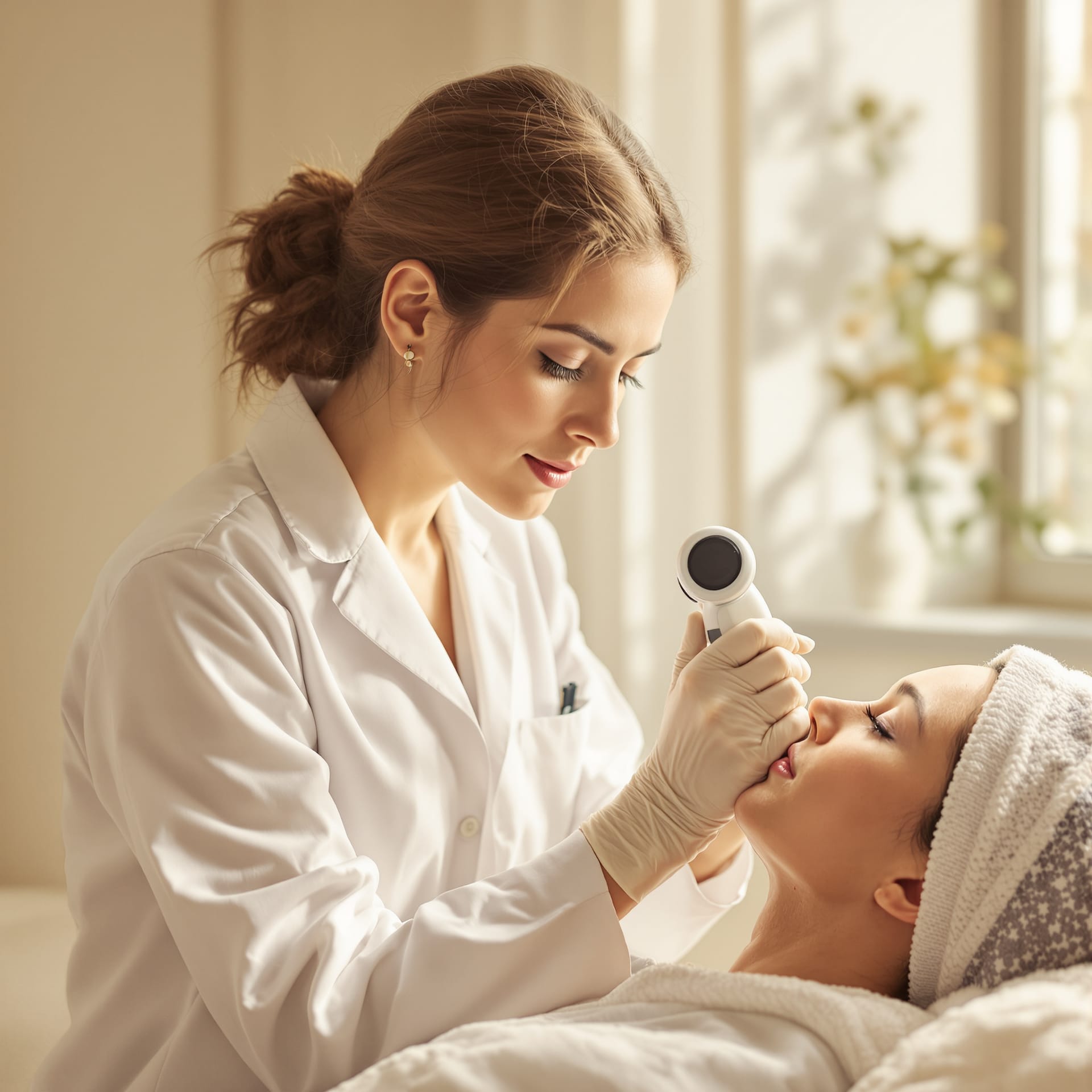
Dr. Sergay's Approach
What Are Seborrheic Keratoses?
Seborrheic keratoses (SKs) are one of the most common benign skin growths — and they're completely harmless. They appear as waxy, stuck-on-looking bumps that can range from light tan to dark brown or black, with a characteristic "pasted-on" appearance. While they can look concerning (some people mistake them for moles or even skin cancer), they are not cancerous and do not turn into cancer.
Most people develop at least a few seborrheic keratoses as they get older — they're sometimes called "barnacles of aging." Genetics play a big role in how many you develop. While they don't require medical treatment, many patients choose to have them removed because they itch, snag on clothing, become irritated, or simply affect their confidence. Dr. Sergay offers several in-office removal methods including cryotherapy, curettage, and laser treatments with the DermaV and LaseMD Ultra — all performed with precision to minimize scarring.
Always Benign
Not cancerous, won't become cancer
Quick Removal
In-office, minimal downtime
Know What You See
Types & Variants of Seborrheic Keratosis
Common Seborrheic Keratosis
The classic waxy, stuck-on growth with a well-defined border and a rough or velvety surface. They can be flat or raised, ranging from a few millimeters to over an inch across. Color varies from tan to dark brown. Often appear on the chest, back, face, and temples.
- Waxy stuck-on appearance
- Tan to dark brown
- Well-defined border
- May have horn cysts on surface
Dermatosis Papulosa Nigra (DPN)
Small, dark brown to black papules that appear primarily on the cheeks and around the eyes. DPN is far more common in people with darker skin tones — especially those of African, Asian, and Hispanic descent. It tends to run in families and typically first appears in adolescence or early adulthood.
- Small dark papules on cheeks & eyes
- Genetic predisposition
- More common in skin of color
- Can be numerous
Stucco Keratosis
Small, flat, white or gray-white lesions that look like they've been "stuccoed" or pasted onto the skin. They're most commonly found on the lower legs, ankles, and tops of the feet. Stucco keratoses can be scraped off fairly easily and tend to appear in multiples.
- Flat, white to gray lesions
- Lower legs & ankles
- Can be scraped off easily
- Often appear in clusters
Irritated or Inflamed SK
Sometimes seborrheic keratoses become irritated — from friction, clothing, scratching, or attempted self-removal. These inflamed SKs can become red, swollen, tender, itchy, or bleed. When inflamed, they can be harder to distinguish from skin cancer, so a dermatologist evaluation is important.
- Red, swollen & tender
- May itch or bleed
- Can mimic skin cancer
- Often from friction or scratching
Removal Options
How Dr. Sergay Treats Seborrheic Keratoses
Dr. Sergay will examine your growths to confirm they are benign, then recommend the best removal method based on the lesion's location, size, and your cosmetic goals. Most procedures take just minutes in the office.
Curettage (Scraping)
Using a small, spoon-shaped instrument called a curette, Dr. Sergay gently scrapes the seborrheic keratosis off the skin. This method is especially effective for raised, thicker lesions. Often combined with electrodessication to seal the treated area. The procedure takes just minutes and heals quickly with proper aftercare.
Laser Removal
For sensitive or highly visible areas (like the face), lasers offer high precision. At Sergay Dermatology, the DermaV vascular laser and LaseMD Ultra can be used to gently vaporize seborrheic keratoses layer by layer, preserving surrounding healthy skin. Ideal for patients concerned about scarring or for DPN on the cheeks.
Electrodessication
A fine electric current is delivered through a tiny probe to destroy the seborrheic keratosis tissue. The treated area forms a small scab that heals over 1–2 weeks. Often used in combination with curettage for thicker lesions, or as a standalone treatment for small, superficial SKs. Very precise with excellent cosmetic results.
Shave Excision
For raised, pedunculated seborrheic keratoses, Dr. Sergay may use a thin surgical blade to shave the growth off at skin level. The sample can be sent to pathology for confirmation if there's any diagnostic question. The area heals flat with a smooth contour, and results are immediate — the SK is gone the same day.
Topical Prescription Therapy
For patients with numerous small SKs or those who prefer a non-procedural approach, prescription topical treatments can gradually fade seborrheic keratoses over several weeks. Not as fast as procedural methods, but a good maintenance option for patients prone to developing new SKs regularly.
Minutes
Typical removal time per lesion
1–3
Weeks for treated area to fully heal
Minimal
Downtime for most procedures
Custom
Plan tailored to your skin & goals
Your Dermatologist
About Amanda Sergay, MD
Board Certified
American Board of Dermatology
Specialties
Medical · Surgical · Cosmetic
Location
South Tampa, FL
Board-Certified Dermatologist · Medical · Surgical · Cosmetic
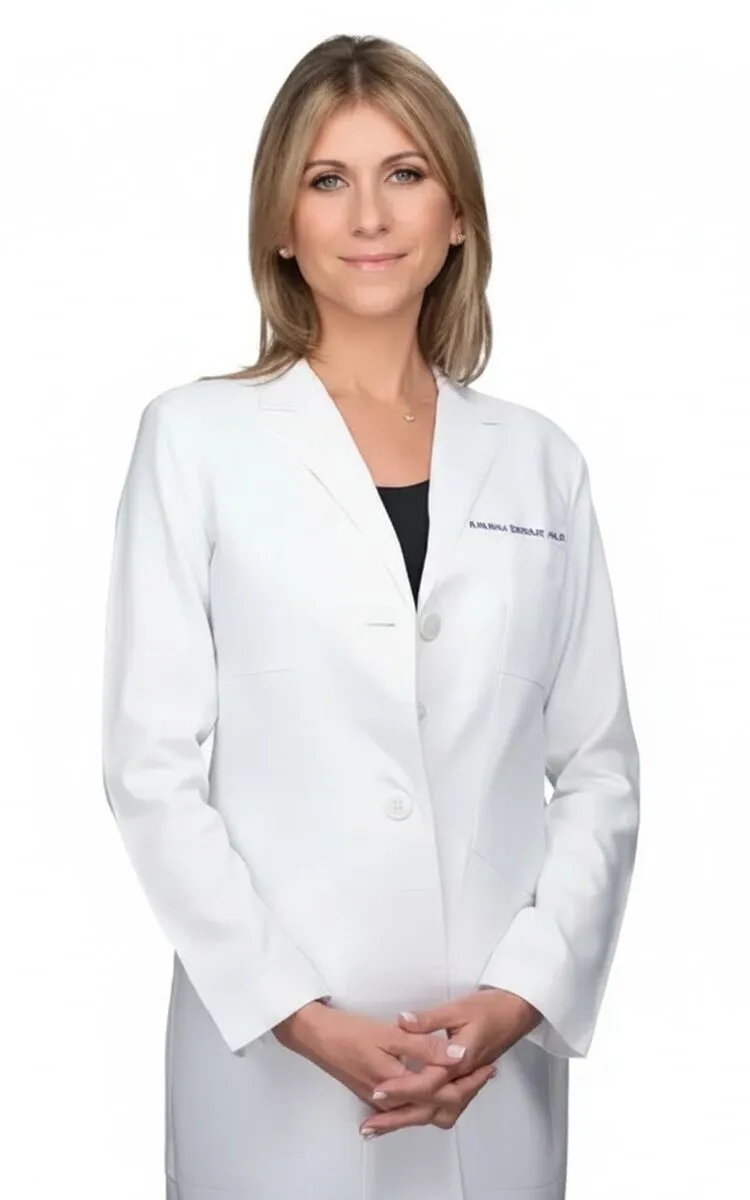
Amanda Sergay, MD is a board-certified dermatologist committed to excellence in comprehensive dermatological care. Originally from the Tampa area, Dr. Sergay received her undergraduate degree from Emory University and earned her medical degree from the University of Miami Miller School of Medicine.
She completed her residency in dermatology at Mount Sinai St. Luke's-Roosevelt Hospital Center in New York City, where she served as Chief Resident during her final year. Her practice encompasses medical, surgical, and cosmetic dermatology, treating both adults and children.
Dr. Sergay has been named to Tampa Magazine's Top Docs Edition in 2019, 2020, 2021, 2022, 2023, 2024, 2025 and 2026, and was twice named to New York Magazine's New York Rising Star list.
Awards & Recognition
Tampa Magazine Top Docs
 20192020202120222023202420252026
Super Doctors

Emory University
Undergraduate
Univ. of Miami Miller
Medical Degree
Mount Sinai NYC
Residency · Chief Resident
Patient Reviews
What Our Patients Say
Real Google reviews from patients who trust Dr. Sergay with their skin health.
“Dr. Sergay is personable, professional, and is a knowledgeable clinician. She listens well and makes you part of the process. I have seen her for two years for medical and aesthetic issues. I have been very satisfied with her care and have referred her to family and friends.”
Ariadne Rodriguez
6 reviews
“After what felt like a never-ending search for the right doctor to help with my skin irritations, I finally found Dr. Sergay — and what a blessing! She's not only incredibly genuine, but she also took the time to explain everything in detail so I fully understood both my issue and the solution. It's easy to see why she's made such a respected name for herself here and in New York.”
Christin Hillis
13 reviews · 2 photos
“Wonderful office, the Dr. listened to all my concerns and addressed each with good communication and ideas. My new Derm.”
Carol Gould
Local Guide · 21 reviews · 1 photo
“Now this is a medical practice done right! I love how they don't play the insurance game and are a privately owned practice. This allows them to provide top notch care and a patient experience that is hard to find anywhere else. Dr. Sergay is extremely thorough during her exams and so kind. Trust her with your care!”
Victoria Hansen
Local Guide · 123 reviews · 144 photos
“First time appointment — Dr. Sergay was amazing. Very easy to talk to and she told me the choices I had and got the procedure done. Highly recommend.”
Darren Finebloom
Local Guide · 21 reviews
“Dr Sergay is wonderful. She's deeply knowledgeable about her field, and also has a wonderful, attentive manner. She and her staff are so caring and responsive. I highly recommend.”
Dana Whiting
3 reviews
Common Questions
Seborrheic Keratosis FAQ
No — seborrheic keratoses are completely benign (non-cancerous) skin growths. They do not turn into skin cancer and are not a health threat. However, because they can sometimes resemble melanoma or other skin cancers — especially when they are dark, irregular, or inflamed — it's important to have any new or changing growth evaluated by a board-certified dermatologist like Dr. Sergay. A quick in-office exam with a dermatoscope is all it takes to confirm the diagnosis.
When performed by an experienced dermatologist, most removal methods leave minimal to no visible scarring. Cryotherapy typically results in a small flat spot that fades over time, while curettage and laser removal are even more precise. The key factors are the size and depth of the lesion, the removal method used, and how well you follow post-treatment care instructions. Dr. Sergay takes special care with facial lesions to ensure the best cosmetic outcome possible.
Seborrheic keratoses have a classic "stuck-on" or waxy appearance and often contain small keratin-filled cysts (horn cysts) visible under magnification. But self-diagnosis is risky — many skin cancers can mimic benign growths. The only way to know for sure is to have a dermatologist examine it. Dr. Sergay uses dermoscopy (a specialized magnifying light) to see telltale features that distinguish SKs from moles, warts, and skin cancers — often making the diagnosis instantly without needing a biopsy.
Please don't. Attempting to pick, scratch, or apply over-the-counter "wart removers" to seborrheic keratoses can cause bleeding, infection, scarring, and even make the lesion look more atypical — leading to unnecessary biopsies. More importantly, if you misidentify a skin cancer as an SK and try to treat it yourself, you risk delaying a critical diagnosis. In-office removal is quick, safe, and far more effective than any home remedy.
Removal of seborrheic keratoses is generally considered cosmetic and is not covered by insurance — unless the growth is repeatedly irritated, bleeding, or clinically suspicious. Dr. Sergay's direct care model means transparent, upfront pricing with no hidden costs. We'll discuss all fees during your consultation so there are no surprises. Many patients find the cost very reasonable for the confidence boost of clear, smooth skin.
It depends on the size and location of the growths, but Dr. Sergay can often remove multiple seborrheic keratoses in a single office visit. For patients with numerous lesions (which is common), she may recommend treating them in stages across 2–3 sessions to keep each visit manageable and ensure optimal healing between treatments. She'll create a personalized plan during your consultation.
Clearer Skin Starts Here
Schedule a Visit
Dr. Sergay can diagnose seborrheic keratoses or remove bothersome lesions, with transparent pricing.