General & Pediatric Dermatology
Eczema Treatment in Tampa
Eczema, or dermatitis, refers to a group of conditions that cause inflamed, irritated, itchy skin — affecting both children and adults. Dr. Sergay treats this chronic condition through personalized, evidence-based care.
Book an Appointment
Dr. Sergay's Approach
Understanding Eczema & Dermatitis
Eczema, or dermatitis, refers to a group of conditions that cause inflamed, irritated, itchy skin. There are many types of eczema including atopic dermatitis, contact dermatitis, hand eczema, and dyshidrotic eczema. Dr. Sergay treats this chronic condition.
One of the most important aspects of Dr. Sergay's management philosophy is educating patients and families about the condition and ways to improve the skin barrier. Atopic dermatitis is a complex condition of genetics and immunology — there is not one single cause. Dr. Sergay works with each patient and family to understand their history and skin issues, then formulates a treatment plan with the goal of long-term control.
Prompt evaluation with a dermatologist is important: the longer inflammation remains in the skin, the longer it takes to clear. Dr. Sergay will help identify your triggers, strengthen your skin barrier, and choose the right medications to reduce flare frequency and duration.
Children & Adults
All ages, every skin type
Barrier-First Approach
Protect & restore skin function
Know Your Condition
Common Types of Eczema
Atopic Dermatitis
The most common form of eczema, atopic dermatitis (AD) usually develops by 5 years of age and involves itchy red rashes that come and go. It is strongly linked to genetics, immune dysfunction, and skin barrier defects.
- Itchy, red, dry patches
- Often begins in infancy or childhood
- Linked to asthma & allergies
- Chronic with periodic flares
Contact Dermatitis
Contact dermatitis is a red, itchy rash caused by direct skin contact with an irritant or allergen. A dermatologist is often needed to identify the specific culprit ingredient or substance.
- Red, itchy rash at contact site
- Burning or stinging sensation
- Blisters in allergic reactions
- Patch testing to find triggers
Hand Eczema
Hand eczema affects the hands and fingers, often triggered by frequent handwashing, chemical exposure, or occupational irritants. It can be painful and debilitating if left untreated.
- Dry, cracked, painful skin
- Blisters on palms or fingers
- Common in healthcare workers
- Worsened by wet work or gloves
Dyshidrotic Eczema
Dyshidrotic eczema causes small, intensely itchy blisters on the edges of the fingers, toes, palms, and soles. Flares are often triggered by stress, sweating, or exposure to metals like nickel.
- Small fluid-filled blisters
- Intense itch or burning
- Triggers: stress, sweat, metals
- Can occur on hands and feet
Seborrheic Dermatitis
Seborrheic dermatitis presents as scaly patches, red skin, and dandruff primarily on the scalp, face, and oily areas. It is related to yeast overgrowth and responds well to targeted treatments.
- Flaky, scaly patches
- Red skin on scalp, nose & ears
- Can affect eyebrows & chest
- Responds to antifungal therapy
Nummular Eczema
Nummular eczema causes distinctive coin-shaped spots of irritated, itchy skin. It tends to affect the legs, arms, and torso, and is often associated with dry skin and environmental triggers.
- Round, coin-shaped lesions
- Crusty or oozing patches
- Common on lower legs
- Often misdiagnosed as ringworm
Avoid & Identify
Common Eczema Triggers
Identifying and avoiding your personal triggers is one of the most effective ways to reduce eczema flares. Dr. Sergay takes a thorough history to help pinpoint what's driving your symptoms.
Weather & Temperature
- Hot or cold weather
- High humidity
- Low humidity / dry air
- Sweating from heat
Stress & Emotions
- Emotional stress
- Anxiety
- Sleep deprivation
- Major life changes
Irritants & Chemicals
- Fragrances in soaps or lotions
- Harsh detergents
- Cleaning products
- Wool or synthetic fabrics
Allergens
- Dust mites
- Pet dander
- Pollen
- Mold spores
Food (in some patients)
- Dairy products
- Eggs
- Tree nuts
- Wheat / gluten
Skincare Products
- Fragrance-containing moisturizers
- Alcohol-based toners
- Certain sunscreens
- Antibacterial soaps
Important: Many parents try to eliminate foods or allergens before seeing a dermatologist. However, eczema is a complex condition of genetics and immunology — removing foods without guidance can be harmful. Dr. Sergay will help you find the right answers without the guessing game.
Evidence-Based Care
How Dr. Sergay Treats Eczema
Treatment is never one-size-fits-all. Dr. Sergay tailors your plan based on your eczema type, severity, age, and lifestyle goals.
Topical Corticosteroids
Prescription-strength topical steroids reduce inflammation during flares. Dr. Sergay guides patients on correct usage — only when indicated, for the recommended time frame, and in the right location.
Non-Steroidal Topicals
Newer non-steroidal options like topical calcineurin inhibitors (tacrolimus, pimecrolimus) and PDE4 inhibitors (crisaborole) offer effective inflammation control without steroid-related side effects.
Biologic Therapy
For moderate-to-severe atopic dermatitis, biologic medications like dupilumab target the underlying immune pathways driving inflammation, providing long-term control with an excellent safety profile.
Oral Medications
Oral antihistamines help manage itch, especially at night. Oral antibiotics may be prescribed when secondary skin infections develop. Short courses of oral steroids can address acute severe flares.
Barrier Repair & Moisturization
Restoring the skin barrier is foundational to eczema management. Dr. Sergay recommends medical-grade moisturizing creams (not lotions), applied immediately after bathing while skin is still damp.
Trigger Management
Identifying and reducing personal triggers — fragrance, allergens, temperature extremes, stress — is as important as medication. Dr. Sergay works with each patient to build a practical trigger avoidance plan.
31M+
Americans with eczema
60%
Cases begin before age 1
85%
Improvement with proper care
All Ages
Children & adults treated
Daily Habits
Gain Control of Your Eczema
Managing eczema long-term requires a combination of medical treatment and daily skin care habits. These are the core strategies Dr. Sergay shares with every patient.
Improve Your Skin Barrier
- Use gentle cleansers without fragrance
- Avoid long, hot showers or baths
- Apply a moisturizing cream (not lotion) after each time the skin is wet to protect the barrier
- Pat skin dry gently — never rub
Avoid Irritants & Triggers
- Weather (hot or cold) — dress in layers, use a humidifier
- Stress — practice relaxation techniques
- Fragrance in soaps, detergents, and skincare
- Skin care products with alcohol, parabens, or sulfates
Use Medications Correctly
- Topical steroids are not always needed — use only as prescribed
- Only apply steroids for the recommended time frame and to the right location
- Never stop a biologic without consulting Dr. Sergay
- Keep follow-up appointments to adjust your plan as skin changes
Lifestyle & Environment
- Wash new clothing before wearing
- Choose 100% cotton clothing when possible
- Use fragrance-free laundry detergent
- Keep fingernails short to minimize scratching damage
Your Dermatologist
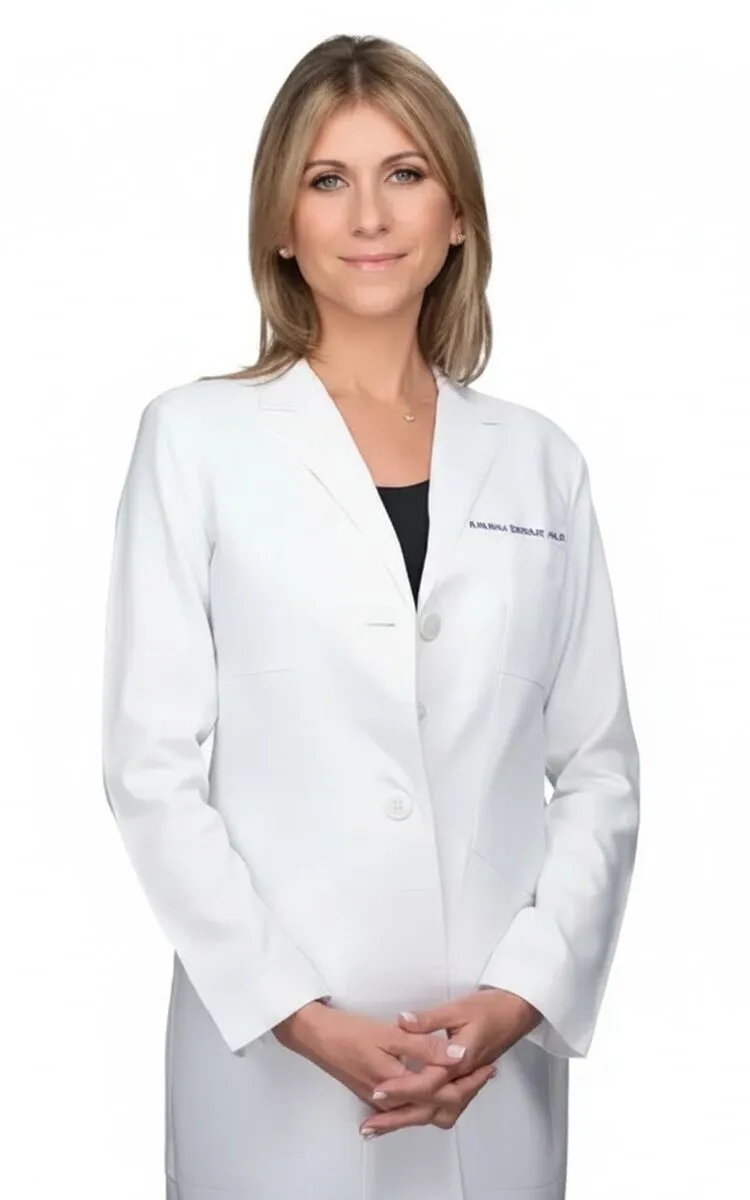
About Amanda Sergay, MD
Board Certified
American Board of Dermatology
Specialties
Medical · Surgical · Cosmetic
Location
South Tampa, FL
Board-Certified Dermatologist · Medical · Surgical · Cosmetic
Amanda Sergay, MD is a board-certified dermatologist committed to excellence in comprehensive dermatological care. Originally from the Tampa area, Dr. Sergay received her undergraduate degree from Emory University and earned her medical degree from the University of Miami Miller School of Medicine.
She completed her residency in dermatology at Mount Sinai St. Luke's-Roosevelt Hospital Center in New York City, where she served as Chief Resident during her final year. Her practice encompasses medical, surgical, and cosmetic dermatology, treating both adults and children.
Dr. Sergay has been named to Tampa Magazine's Top Docs Edition in 2019, 2020, 2021, 2022, 2023, 2024, 2025 and 2026, and was twice named to New York Magazine's New York Rising Star list.
Awards & Recognition
Tampa Magazine Top Docs
 20192020202120222023202420252026
Super Doctors

Emory University
Undergraduate
Univ. of Miami Miller
Medical Degree
Mount Sinai NYC
Residency · Chief Resident
Patient Reviews
What Our Patients Say
Real Google reviews from patients who trust Dr. Sergay with their skin health.
“Dr. Sergay is personable, professional, and is a knowledgeable clinician. She listens well and makes you part of the process. I have seen her for two years for medical and aesthetic issues. I have been very satisfied with her care and have referred her to family and friends.”
Ariadne Rodriguez
6 reviews
“After what felt like a never-ending search for the right doctor to help with my skin irritations, I finally found Dr. Sergay — and what a blessing! She's not only incredibly genuine, but she also took the time to explain everything in detail so I fully understood both my issue and the solution. It's easy to see why she's made such a respected name for herself here and in New York.”
Christin Hillis
13 reviews · 2 photos
“Wonderful office, the Dr. listened to all my concerns and addressed each with good communication and ideas. My new Derm.”
Carol Gould
Local Guide · 21 reviews · 1 photo
“Now this is a medical practice done right! I love how they don't play the insurance game and are a privately owned practice. This allows them to provide top notch care and a patient experience that is hard to find anywhere else. Dr. Sergay is extremely thorough during her exams and so kind. Trust her with your care!”
Victoria Hansen
Local Guide · 123 reviews · 144 photos
“First time appointment — Dr. Sergay was amazing. Very easy to talk to and she told me the choices I had and got the procedure done. Highly recommend.”
Darren Finebloom
Local Guide · 21 reviews
“Dr Sergay is wonderful. She's deeply knowledgeable about her field, and also has a wonderful, attentive manner. She and her staff are so caring and responsive. I highly recommend.”
Dana Whiting
3 reviews
Common Questions
Eczema FAQ
Atopic dermatitis is the most common type of eczema, but the term 'eczema' actually refers to a broader group of conditions — including contact dermatitis, hand eczema, and dyshidrotic eczema. Dr. Sergay will identify which type you have and tailor your treatment accordingly.
There is currently no cure for atopic dermatitis, but it can be very effectively managed. Many children see significant improvement or even full remission as they grow older. With the right treatment plan, most patients achieve long-term control with minimal flares.
This is one of the most common concerns Dr. Sergay hears. While food allergies can sometimes worsen eczema in young children, eczema is a complex genetic and immunological condition — not caused by a single food. Eliminating foods without proper guidance can be harmful to a child's nutrition. Dr. Sergay will evaluate whether food testing is appropriate for your child's case.
It depends on the severity and the treatment selected. Topical corticosteroids typically reduce acute flares within 1–2 weeks. Biologic therapies like dupilumab generally show significant improvement over 16 weeks. Barrier repair measures take consistent daily effort but often produce noticeable results within a few weeks.
Topical steroids are safe when used correctly — meaning the right potency, for the recommended duration, on appropriate body areas. Overuse can lead to skin thinning. Dr. Sergay carefully prescribes and monitors steroid use, and often transitions patients to non-steroidal alternatives for maintenance.
Dupilumab (Dupixent) is a biologic injection approved for moderate-to-severe atopic dermatitis. It targets the IL-4 and IL-13 pathways that drive inflammation in eczema. It has an excellent safety profile and has been transformative for many patients. Dr. Sergay will determine if you qualify based on your history and severity.
Yes — atopic dermatitis is part of the 'atopic triad' along with asthma and allergic rhinitis (hay fever). Many patients with eczema also have or develop these conditions. Ocular surface disease can also occur in patients with severe facial eczema. Managing eczema well often helps reduce systemic atopic burden.
Over-the-counter moisturizers and gentle cleansers are great first steps — but if your skin is not improving within 2–3 weeks, is infected, severely itchy, or significantly impacting quality of life, it's time to see Dr. Sergay. The longer inflammation persists in the skin, the longer it takes to clear.
Take the First Step
Schedule a Visit
Dr. Sergay will evaluate your condition and create a personalized treatment plan.