General Dermatology
Rosacea Treatment in Tampa
Rosacea is a chronic inflammatory skin condition affecting millions of Americans — yet it's frequently misdiagnosed and undertreated. Dr. Sergay specializes in identifying your unique rosacea triggers and creating a personalized management plan to reduce redness, breakouts, and flares.
Book an Appointment
Dr. Sergay's Approach
Understanding Rosacea
Rosacea is a chronic skin condition characterized by facial redness, acne-like breakouts, eye irritation, and in some cases enlargement of areas of the face — most commonly the nose (rhinophyma). While there is no cure, rosacea can be effectively managed with the right treatment plan.
Commonly, there are triggers that exacerbate a patient's symptoms. These triggers can include extremes of temperature, certain foods, alcohol, stress, and sun exposure. With a thorough history, Dr. Sergay can help identify your individual triggers and discuss trigger modification alongside topical, oral, or laser treatments.
Because rosacea presents differently in every patient — from mild flushing to persistent redness to inflammatory papules — Dr. Sergay's approach is always personalized to your subtype, skin tone, and lifestyle.
Trigger Identification
Thorough history & evaluation
Long-Term Management
Reduce flares, protect skin
Know Your Type
The 4 Subtypes of Rosacea
Rosacea presents in distinct forms. Identifying your subtype is the first step toward the most effective treatment plan.
Erythematotelangiectatic Rosacea
The most common form — characterized by persistent redness, flushing, and visible blood vessels (telangiectasia) across the central face.
- Persistent facial redness
- Easy flushing/blushing
- Visible blood vessels
- Burning or stinging sensation
Papulopustular Rosacea
Often mistaken for acne, this subtype features acne-like breakouts — pimples and pustules — alongside facial redness and is common in middle-aged women.
- Acne-like pimples & pustules
- Oily or sensitive skin
- Facial redness
- Visible small blood vessels
Phymatous Rosacea
A rare but significant subtype causing skin thickening and enlargement, most commonly affecting the nose (rhinophyma). More common in men.
- Skin thickening
- Enlarged nose (rhinophyma)
- Irregular skin surface
- Visible pores
Ocular Rosacea
Affects the eyes and eyelids, causing redness, irritation, and a gritty feeling. Often occurs alongside other rosacea subtypes and requires specialized care.
- Red, watery eyes
- Burning/stinging eyes
- Swollen eyelids
- Sensitivity to light
Managing Flares
Identifying Your Triggers
One of the most powerful tools in managing rosacea is identifying and minimizing your personal triggers. While rosacea cannot be cured, most patients can dramatically reduce the frequency and severity of flares once their specific triggers are known. Dr. Sergay takes a thorough history at every visit to help map your triggers.
Sun & Heat
UV exposure, hot weather, saunas, hot showers
Food & Drink
Alcohol (especially red wine), spicy foods, hot beverages
Stress & Emotions
Anxiety, embarrassment, intense exercise
Cold & Wind
Cold temperatures, strong wind, rapid temperature changes
Skincare Products
Fragranced products, harsh cleansers, certain sunscreens
Medical Factors
Hormonal changes, certain blood pressure medications

Personalized Care
How Dr. Sergay Treats Rosacea
Treatment is matched to your rosacea subtype, severity, and skin tone. Most patients benefit from a combination approach.
16M+
Americans with rosacea
3–4
Avg. triggers per patient
90%
Improvement with treatment
All
Skin tones & ages treated
Topical Medications
Prescription creams and gels — including metronidazole, azelaic acid, and ivermectin — reduce redness, inflammation, and papules with regular use.
Subtypes 1 & 2Oral Medications
Low-dose oral antibiotics such as doxycycline (sub-antimicrobial dose) effectively reduce inflammation and acne-like breakouts without disrupting gut health.
Subtype 2 (moderate–severe)Laser & Light Therapy
Vascular lasers and intense pulsed light (IPL) target visible blood vessels and persistent redness with precision, providing long-lasting reduction in flushing.
Subtype 1 vascular rednessDermaV Laser
Dr. Sergay uses the DermaV pulsed dye laser — one of the most effective technologies for treating rosacea redness, telangiectasias, and facial flushing.
Vascular & diffuse rednessSkincare Optimization
A gentle, rosacea-appropriate skincare routine with fragrance-free cleansers, barrier-repairing moisturizers, and mineral SPF reduces daily irritation and flares.
All subtypes — daily useTrigger Management Plan
Dr. Sergay works with patients to identify and modify personal triggers through lifestyle adjustments, dietary guidance, and environmental recommendations.
Prevention & maintenanceYour Dermatologist
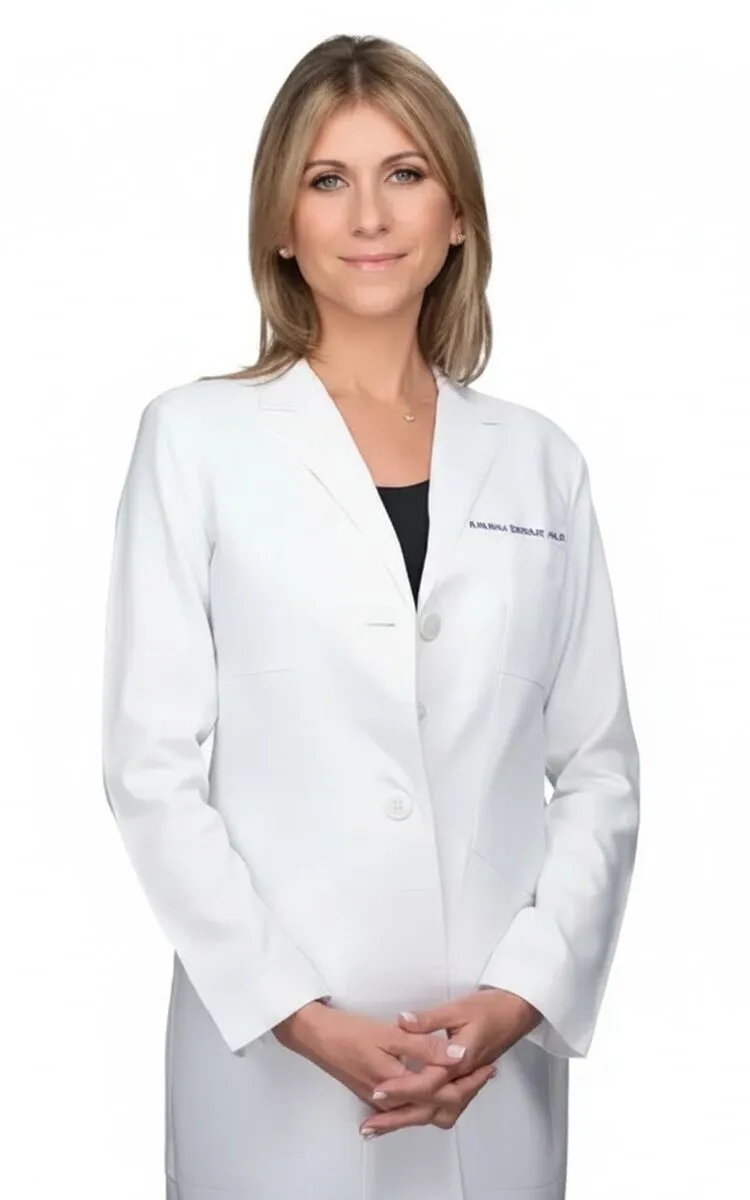
About Amanda Sergay, MD
Board Certified
American Board of Dermatology
Specialties
Medical · Surgical · Cosmetic
Location
South Tampa, FL
Board-Certified Dermatologist · Medical · Surgical · Cosmetic
Amanda Sergay, MD is a board-certified dermatologist committed to excellence in comprehensive dermatological care. Originally from the Tampa area, Dr. Sergay received her undergraduate degree from Emory University and earned her medical degree from the University of Miami Miller School of Medicine.
She completed her residency in dermatology at Mount Sinai St. Luke's-Roosevelt Hospital Center in New York City, where she served as Chief Resident during her final year. Her practice encompasses medical, surgical, and cosmetic dermatology, treating both adults and children.
Dr. Sergay has been named to Tampa Magazine's Top Docs Edition in 2019, 2020, 2021, 2022, 2023, 2024, 2025 and 2026, and was twice named to New York Magazine's New York Rising Star list.
Awards & Recognition
Tampa Magazine Top Docs
 20192020202120222023202420252026
Super Doctors

Emory University
Undergraduate
Univ. of Miami Miller
Medical Degree
Mount Sinai NYC
Residency · Chief Resident
Patient Reviews
What Our Patients Say
Real Google reviews from patients who trust Dr. Sergay with their skin health.
“Dr. Sergay is personable, professional, and is a knowledgeable clinician. She listens well and makes you part of the process. I have seen her for two years for medical and aesthetic issues. I have been very satisfied with her care and have referred her to family and friends.”
Ariadne Rodriguez
6 reviews
“After what felt like a never-ending search for the right doctor to help with my skin irritations, I finally found Dr. Sergay — and what a blessing! She's not only incredibly genuine, but she also took the time to explain everything in detail so I fully understood both my issue and the solution. It's easy to see why she's made such a respected name for herself here and in New York.”
Christin Hillis
13 reviews · 2 photos
“Wonderful office, the Dr. listened to all my concerns and addressed each with good communication and ideas. My new Derm.”
Carol Gould
Local Guide · 21 reviews · 1 photo
“Now this is a medical practice done right! I love how they don't play the insurance game and are a privately owned practice. This allows them to provide top notch care and a patient experience that is hard to find anywhere else. Dr. Sergay is extremely thorough during her exams and so kind. Trust her with your care!”
Victoria Hansen
Local Guide · 123 reviews · 144 photos
“First time appointment — Dr. Sergay was amazing. Very easy to talk to and she told me the choices I had and got the procedure done. Highly recommend.”
Darren Finebloom
Local Guide · 21 reviews
“Dr Sergay is wonderful. She's deeply knowledgeable about her field, and also has a wonderful, attentive manner. She and her staff are so caring and responsive. I highly recommend.”
Dana Whiting
3 reviews
Common Questions
Rosacea FAQ
No — rosacea and acne are distinct conditions, although Subtype 2 (papulopustular) rosacea can look similar to acne. Rosacea typically affects the central face with persistent redness and flushing, whereas acne involves clogged pores and can appear anywhere. Using acne-targeted products on rosacea skin can actually worsen symptoms, so getting a proper diagnosis from a board-certified dermatologist like Dr. Sergay is essential.
Rosacea is a chronic condition, meaning it cannot be permanently cured. However, with the right treatment plan — including trigger avoidance, prescription medications, and laser therapy — most patients achieve significant and long-lasting reduction in redness, breakouts, and flares. Many patients go months or even years with minimal symptoms when managed correctly.
Common triggers include sun exposure, heat, spicy foods, alcohol (particularly red wine), stress, strenuous exercise, cold or windy weather, and certain skincare products with fragrance or harsh chemicals. Triggers vary from person to person — Dr. Sergay will help you identify your specific ones during your consultation.
Yes, although rosacea is most commonly recognized in fair-skinned individuals, it can affect people of all skin tones. In darker skin, the redness may be less visible, so it's often underdiagnosed. Inflammatory papules, facial warmth, and skin texture changes may be more prominent signs. Dr. Sergay has experience treating rosacea across all skin types and tones.
DermaV is a pulsed dye laser that specifically targets the hemoglobin in blood vessels, making it one of the most effective treatments for reducing rosacea redness, visible telangiectasias (broken capillaries), and facial flushing. The laser energy is absorbed by blood vessels without damaging surrounding skin. Most patients see significant improvement after 2–4 sessions.
Topical treatments typically show improvement within 4–8 weeks of consistent use. Oral antibiotics often provide noticeable relief within 3–4 weeks. Laser treatments like DermaV show progressive improvement over 4–6 weeks post-treatment as the skin heals. A long-term maintenance plan is important to prevent flares from returning.
For many patients, yes. Spicy foods, hot beverages, and alcohol — especially red wine — are among the most commonly reported dietary triggers. Some patients also find that foods high in histamines or certain preservatives can worsen their symptoms. Dr. Sergay may recommend keeping a flare diary to track dietary patterns alongside other triggers.
Yes — Subtype 4, known as ocular rosacea, affects the eyes and eyelids. Symptoms include red, watery, or irritated eyes, a gritty or burning sensation, and swollen eyelids. Ocular rosacea often accompanies skin rosacea and requires coordination with an ophthalmologist in some cases. Letting your dermatologist know about any eye symptoms is important.
Take the Next Step
Schedule a Visit
Schedule a consultation with Dr. Sergay to identify your triggers, determine your rosacea subtype, and build a personalized treatment plan.