If you've ever moved to Florida from somewhere less tropical and watched your perfectly-tuned skincare routine fall apart, you're not alone. The same thick moisturizer that worked wonders in Chicago can become a pore-clogging nightmare in South Tampa. Here's a dermatologist-developed skincare routine specifically designed for Florida's heat, humidity, and relentless sun — from someone who treats patients in this climate every single day.
Why Florida Skin Needs a Different Approach
Most skincare advice comes from dermatologists and beauty editors who live in dry, temperate, or four-season climates — New York, Los Angeles, London. What works there often backfires in Florida. Here's why:
- Humidity changes everything. When the air is already saturated with moisture, heavy occlusive moisturizers (petrolatum, thick shea butter creams) sit on top of your skin instead of absorbing. This traps sweat, sebum, and dead skin cells, leading to clogged pores and breakouts — even in people who don't normally get acne.
- Sweat acts as a vehicle for irritation. Florida's heat means you sweat more. Sweat contains urea, ammonia, and sodium chloride, which can irritate sensitive skin types and disrupt the skin barrier if left sitting on the surface for hours.
- UV exposure is constant and intense. Even if you work indoors, the cumulative UV dose on your daily commute, lunch break, and weekend errands is far higher in Tampa than in northern cities. This makes daily antioxidant and sunscreen use non-negotiable.
- Air conditioning dehydrates in a different way. Floridians spend hours in aggressively air-conditioned spaces, which strip moisture from the air and from the skin surface. This creates a unique challenge: your skin may be producing excess oil from humidity while simultaneously losing water content from indoor dryness.
The Florida Morning Routine: Protect and Prep
Your AM routine has two jobs: protect your skin from the UV and environmental exposure it's about to face, and prepare it to look its best throughout a hot, humid day.
Step 1: Gentle Cleanser
In Florida's humidity, a morning cleanse is essential — overnight, your skin accumulates oil, sweat, and product residue. But skip anything harsh or stripping. A foaming or gel-based cleanser with a mild surfactant system is ideal. Look for ingredients like glycerin, aloe, or ceramides that clean without disrupting the barrier.
If your skin is dry or sensitive, a micellar water cleanse may be enough in the morning. Save the active cleansers for the PM.
Step 2: Vitamin C Serum (Antioxidant)
This is the single most important AM skincare step after sunscreen — and arguably before sunscreen, because vitamin C actually boosts sunscreen's effectiveness. A well-formulated L-ascorbic acid serum at 10–20% concentration neutralizes the free radicals generated by UV exposure, inhibits melanin production (preventing new sun spots), and supports collagen synthesis.
Apply vitamin C to clean, dry skin before moisturizer. Let it absorb for 60–90 seconds before moving to the next step. For sensitive skin types, a gentler derivative like ascorbyl glucoside or THD ascorbate may be better tolerated.
Step 3: Lightweight Moisturizer
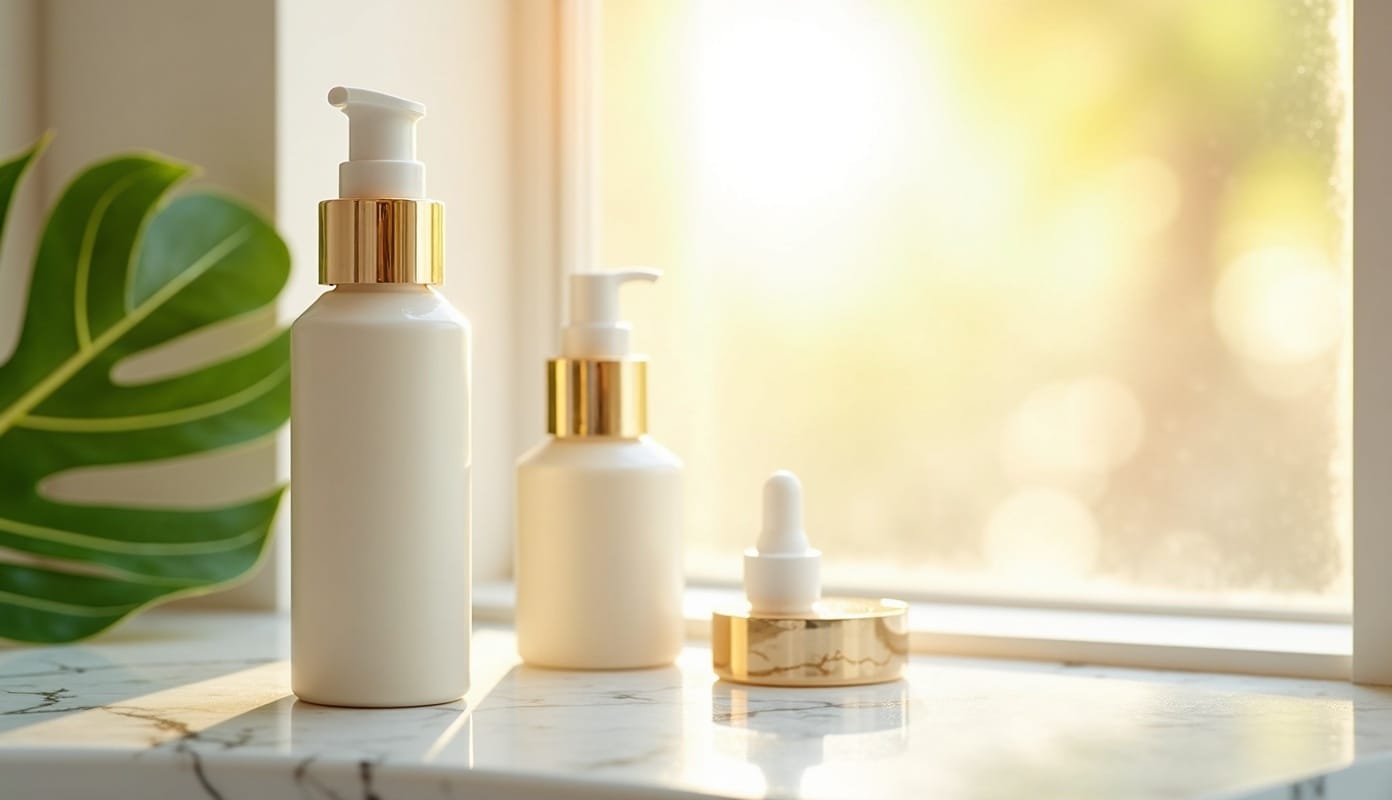
This is where Florida diverges sharply from standard skincare advice. Thick creams — the kind northern dermatologists love — will suffocate your skin in Tampa's humidity. Instead, reach for a gel, gel-cream, or water-cream moisturizer. These lightweight, humectant-heavy formulas deliver hydration without heaviness.
Key ingredients to look for: hyaluronic acid, glycerin, squalane, panthenol. Avoid: petrolatum and heavy shea butter in your daytime moisturizer save those for nighttime if your skin is dry.
People with very oily skin types may find they need no moisturizer at all in the Florida summer beyond their sunscreen. That's fine if your skin feels comfortable.
Step 4: Sunscreen (Non-Negotiable)
Broad-spectrum SPF 30 or higher, every single day, rain or shine, indoors or outdoors. In the Florida morning routine, sunscreen is your moisturizer's partner — and if you have to choose between the two, pick sunscreen every time.
For humidity, mineral sunscreens (zinc oxide, titanium dioxide) can feel heavy. Many patients prefer chemical or hybrid formulations that dry down to a lighter, more wearable finish. The best sunscreen is the one you'll actually wear every day — so find a texture and finish that works for you.
Do not forget: ears, neck, chest, backs of hands, and any exposed scalp. These areas are among the most common sites for skin cancer and photoaging specifically because they get neglected.
The Florida Evening Routine: Cleanse and Repair
After a day of heat, humidity, sweat, sunscreen, and environmental exposure, your PM routine is about thorough cleansing and delivering active ingredients that support skin repair overnight.
Step 1: Double Cleanse
Especially important in Florida, where sunscreen (hopefully, lots of it) combines with sweat, oil, and environmental pollutants throughout the day. A single cleanse often won't remove everything.
Start with an oil-based cleanser or micellar water to dissolve sunscreen and makeup, then follow with your gentle water-based cleanser. The oil cleanser breaks down water-resistant SPF that water-based cleansers leave behind.
Step 2: Treatment Serum or Prescription Active
Nighttime is when your skin repairs itself, and it's the ideal window for active ingredients that are sun-sensitive or too potent for daytime use:
- Prescription retinoid (tretinoin, tazarotene) — the single most evidence-backed ingredient for photoaging, collagen stimulation, and cell turnover. Start at a low concentration (0.025% tretinoin) and increase slowly. Apply to completely dry skin to minimize irritation.
- Over-the-counter retinol — a gentler alternative if prescription retinoids are too irritating. Slower results, but better tolerated by sensitive skin types. Look for encapsulated retinol formulations that release gradually.
- Niacinamide (vitamin B3) — reduces redness, strengthens the skin barrier, fades hyperpigmentation, and regulates oil production. It plays well with almost every other active ingredient and is highly tolerable even in humid conditions.
- Alpha hydroxy acids (glycolic, lactic, mandelic) — gentle chemical exfoliants that remove dead surface cells and improve texture and tone. Use on nights you're not using a retinoid (alternate them, don't layer).
Step 3: Night Moisturizer (Slightly Richer Is Fine)
At night, you can use a slightly more substantial moisturizer than during the day — especially if you spend hours in air-conditioned bedrooms. This is the time for peptides, ceramides, and barrier-supporting ingredients.
Apply your moisturizer after your active serum has absorbed. If you're using a retinoid, wait 10–15 minutes after applying the retinoid before moisturizer to reduce irritation.
The Florida Skincare Mistakes I See Most Often
- Over-exfoliating to combat oil. When skin gets shiny in humidity, the instinct is to scrub and strip. This damages the barrier, which triggers more oil production as a compensation mechanism — leaving you oilier and more irritated than before.
- Skipping moisturizer because "I'm already oily." Oil production and hydration are two different things. Dehydrated oily skin will produce even more oil to compensate. A lightweight gel moisturizer addresses the water loss without adding heaviness.
- Using the same routine year-round. The moisturizer that's perfect in January may be too heavy in July. Adjust your routine seasonally — lighter in summer, richer in winter.
- Ignoring the neck and chest. The neck and upper chest accumulate nearly as much sun damage as the face but get a fraction of the skincare. Extend your AM routine — especially sunscreen — down to your décolletage.
- Not washing off post-gym or post-beach sweat promptly. Sweat left to dry on skin can trigger breakouts, perioral dermatitis flares, and irritation — especially when mixed with sunscreen.
Florida-Specific Skincare FAQ
Can I skip moisturizer in the summer?
If your skin feels truly comfortable with just sunscreen and you're not experiencing tightness, flaking, or irritation, you can skip a standalone moisturizer and let your SPF double as your moisturizing step. Many modern sunscreens contain glycerin, hyaluronic acid, and other humectants that provide sufficient hydration for oily and combination skin types in humid weather.
How do I deal with melasma in Florida?
Melasma is notoriously stubborn in sunny climates because UV and visible light are its primary triggers — and both are abundant in Tampa. In addition to diligent sunscreen, tinted mineral sunscreens containing iron oxides offer extra protection against visible light, which plays a significant role in melasma. Combine this with topical tranexamic acid, prescription-strength hydroquinone (under physician supervision), and in-office treatments like chemical peels or LaseMD Ultra for more stubborn cases.
What about fungal acne from humidity?
Pityrosporum folliculitis (often called fungal acne) is more common in hot, humid climates because the yeast thrives in warm, moist environments. It presents as small, uniform, itchy bumps on the forehead, chest, and upper back. If you suspect it, see a dermatologist — OTC treatments include ketoconazole cleansers, but persistent cases may need prescription antifungals.
When Products Aren't Enough: In-Office Treatments
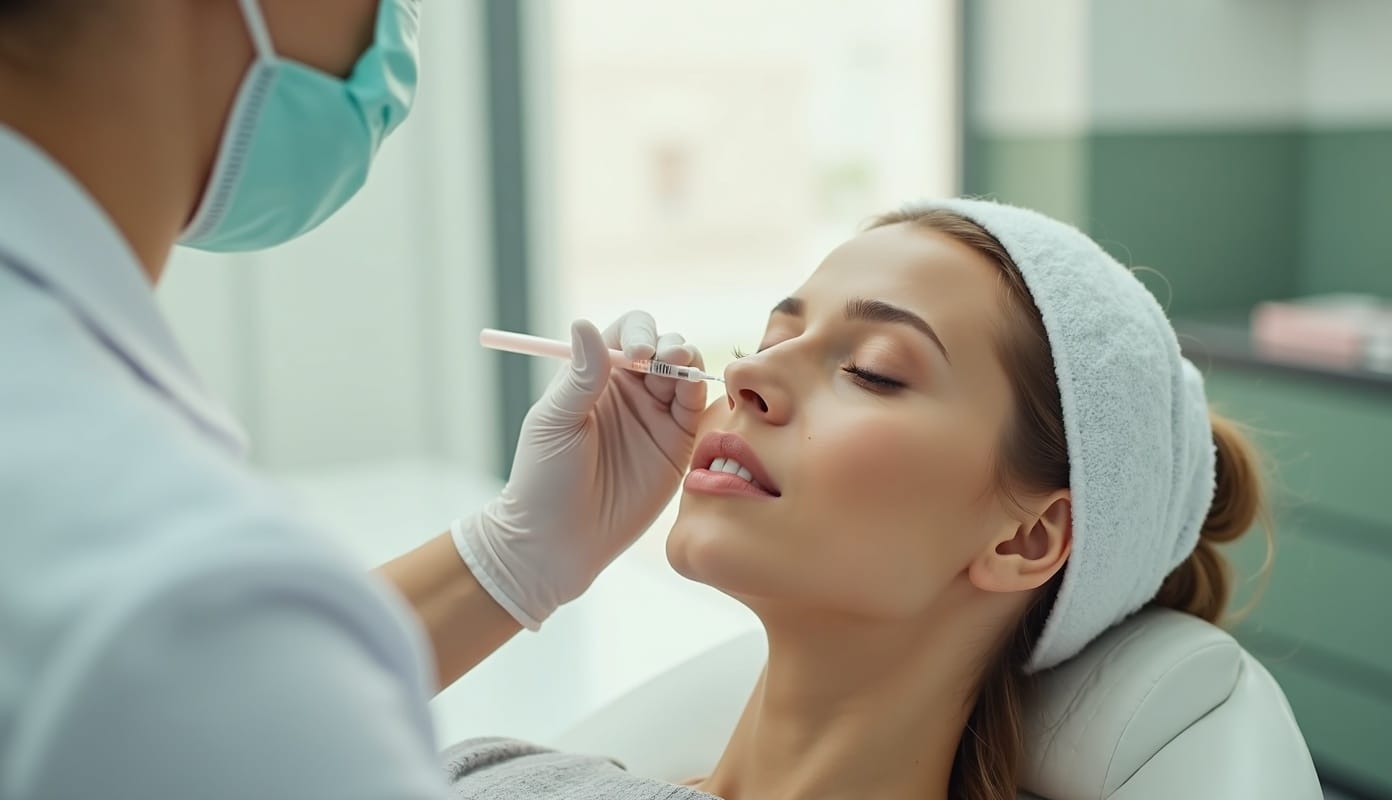
Even the most diligent skincare routine has limits. For sun damage, texture issues, persistent pigmentation, or acne that isn't responding to topicals, in-office dermatology treatments can produce results that products simply cannot match. At Sergay Dermatology in South Tampa, the most common treatments we combine with medical-grade skincare include:
- Chemical peels — glycolic, salicylic, or TCA peels accelerate cell turnover, fade pigmentation, and improve skin texture in a single session. A series of peels can produce cumulative results that topicals take months to achieve.
- LaseMD Ultra — our non-ablative fractional laser creates microscopic treatment channels while infusing customized serums, making it exceptional for sun damage, brown spots, and overall skin rejuvenation with minimal downtime.
- Microneedling — stimulates collagen and elastin production for improved texture, pore appearance, and acne scarring. Often combined with PRP (platelet-rich plasma) for enhanced results.
- Prescription-strength topicals — medical-grade retinoids, hydroquinone formulations, and compounded topicals that are not available over the counter and require physician supervision.
The best approach is combining a consistent, climate-appropriate home routine with strategic in-office treatments — and at Sergay Dermatology, Dr. Amanda Sergay develops a personalized plan for each patient based on their specific skin type, concerns, and lifestyle.